GARDEN COUNTS
A weekend with the birds
The RSPB's Big Garden Birdwatch began in 1979. Because it runs every year, it can show how garden birds are faring over time.
See the numbers
 doresearch
COMMUNITY SCIENCE
COUNT · RECORD · REPORT real data, from real people
Scientists cannot be everywhere at once. You can help.
Community science, also called citizen science, invites the public to collect observations, samples or records for real research. The Natural History Museum says you don't need special skills or training to take part.
Updated
Find a fitTHE SHORT ANSWER
Big questions about nature need more data than researchers can gather alone.
That is where the public comes in.
GARDEN COUNTS
The RSPB's Big Garden Birdwatch began in 1979. Because it runs every year, it can show how garden birds are faring over time.
See the numbersON THE COAST
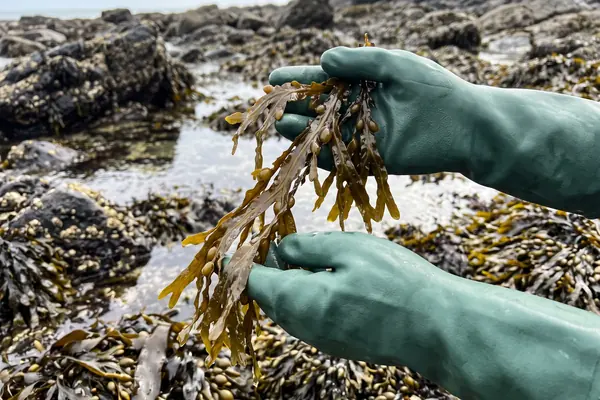
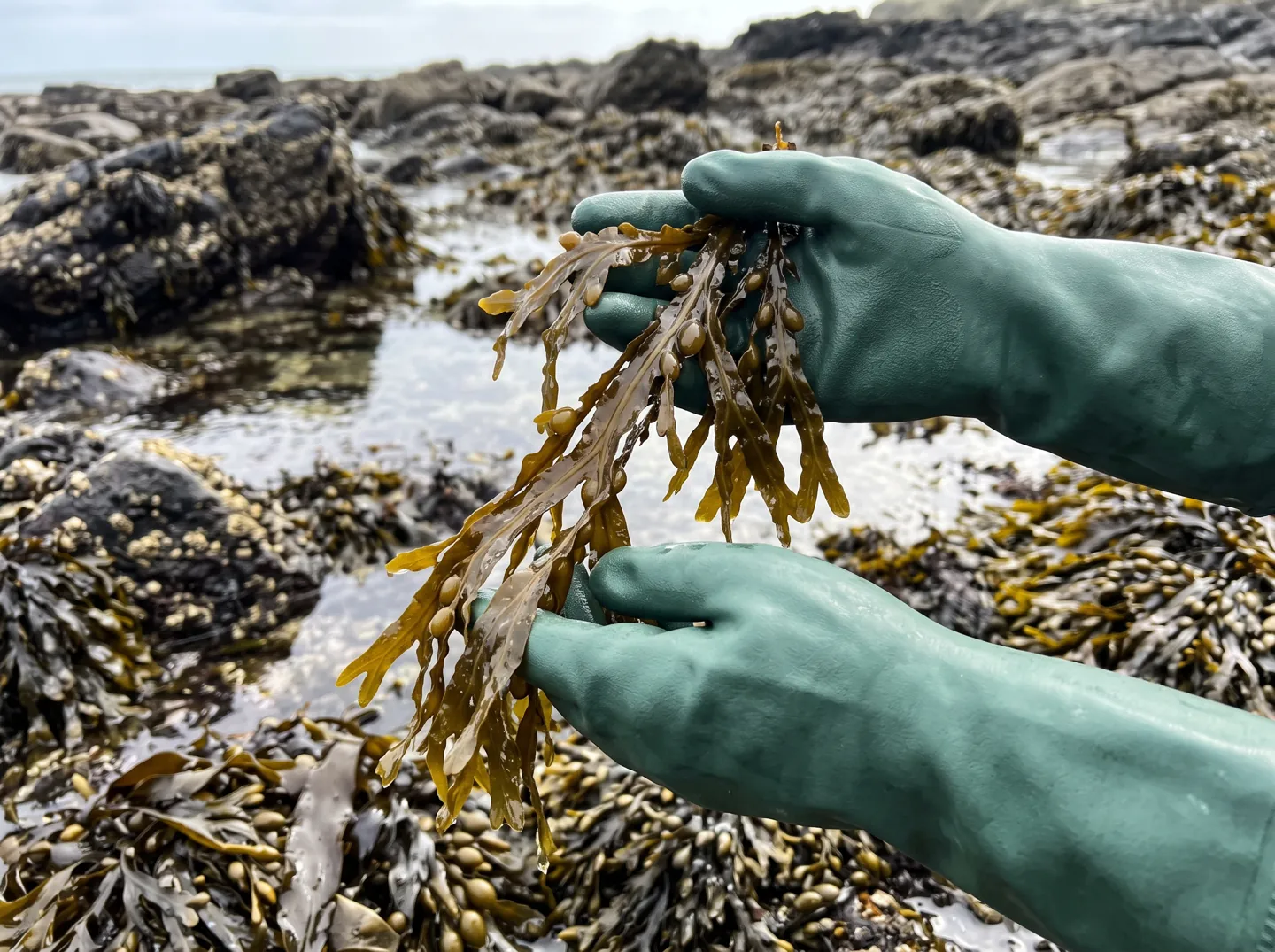
The Natural History Museum's Big Seaweed Search asks people to record the seaweeds they find to monitor environmental change in Britain's sea life.
Find a fitFROM HOME
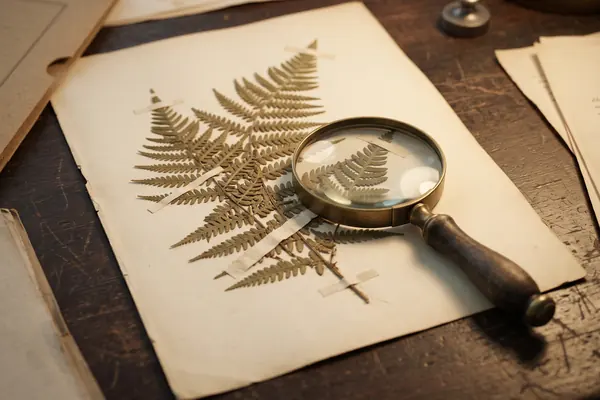
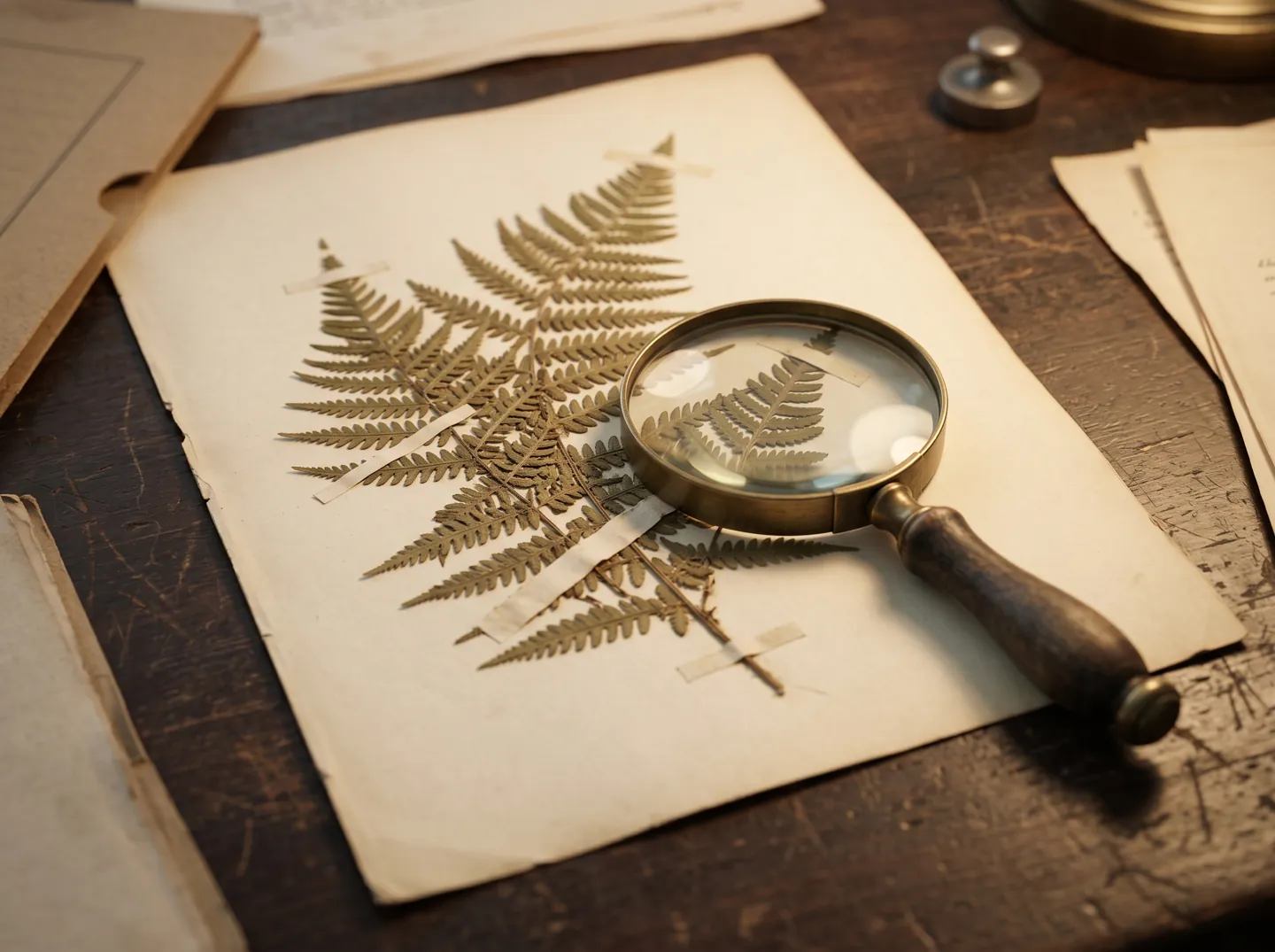
Some projects ask volunteers to transcribe handwritten records, helping scientists use museum collections to understand the natural world.
How to startFIND A FIT
Pick the kind of help that suits you. The bar shows roughly how much time and effort each kind of project asks for.
Examples from the Natural History Museum's community science pages and the RSPB's Big Garden Birdwatch.
TWO NUMBERS WORTH KNOWING
Both from the RSPB's Big Garden Birdwatch,
described as the world's largest garden wildlife survey.
650,000+
People who took part in one weekend
More than 650,000 people took part in Big Garden Birdwatch 2026 and counted 9.4 million birds. The House Sparrow topped the chart for the 23rd year, with 1,275,378 counted.
PEOPLE · RSPB 2026
13.4 million hours
Time spent counting birds
Since 1979 participants have spent 13.4 million hours counting. The survey began when children's TV programme Blue Peter asked viewers to post in their sightings.
HOURS · SINCE 1979
The RSPB says the Birdwatch gives a snapshot, and that research such as the Breeding Bird Survey and other scientific surveys helps explain changes.
FOUR STEPS TO START
Projects tell you what to do, so you don't need training. These steps help you choose one and stick with it.
A one-off sighting, a yearly count or a regular survey: pick something that fits the time you really have.
Projects tell you everything you need to know to take part. Record what they ask for, in the way they ask for it.
Repeated counts are what reveal trends. The Birdwatch can track changes because it happens every year.
A stranded dolphin, a mitten crab or a ringed bird is worth reporting through the right scheme when you see it.
WHAT IT HAS SHOWN
House Sparrows are often the most commonly spotted birds in the Birdwatch, yet the RSPB says their breeding numbers have drastically declined, and they were added to the UK Red List of high conservation concern in 2002.
Greenfinch numbers have also dropped significantly during the Birdwatch's lifetime. The RSPB says they declined rapidly in the mid-2000s after populations were hit by the disease trichomonosis, and they are now on the Red List.
QUESTIONS PEOPLE ASK
The Natural History Museum describes community science, also known as citizen science or participatory science, as a collaborative approach where the public actively contributes to scientific research.
No, says the Natural History Museum: anyone can take part, and projects tell you everything you need to know to get involved.
It prefers the term because the approach is open to all and better reflects the collective effort, in communities around the country and the world.
More than 650,000 people took part in 2026, counting 9.4 million birds. The RSPB calls it the world's largest garden wildlife survey.
Some schemes collect one-off reports, such as stranded whales and dolphins or invasive Chinese mitten crabs in UK waterways, to support research.
Yes. The Natural History Museum publishes a guide to setting up citizen science projects and a guide to running a BioBlitz wildlife recording event, for groups and individuals. Its community science team also led the development of the Ten Principles of Citizen Science, which set out key principles of good practice.
The Natural History Museum keeps a year-round survey calendar for finding wildlife surveys that suit your schedule and skill level, and a Nature Recording Hub on recording wildlife in towns and cities. Its current projects include the Big Seaweed Search and an Underwater Forests survey of kelp along the coast.
Sources
ABOUT THIS NAME
doresearch.org is part of the DoodleSale portfolio. It isn't in an auction right now, but you can ask about leasing it.